Delve Into the Domain of Fair Trade Tea: Remarkable Brews That Enable Sustainable Practices
Fair Trade tea constitutes a seamless integration of superior standards and ethics. Each cup presents a distinctive taste profile while furthering environmentally responsible agricultural methods. This strategy not only improves the tea experience but also strengthens marginalized farmers. Investigating its origins and certification processes exposes deeper dimensions of importance. As patrons become more mindful of their selections, the effect of Fair Trade tea transcends palate. What dwells under the veneer of these preferences?
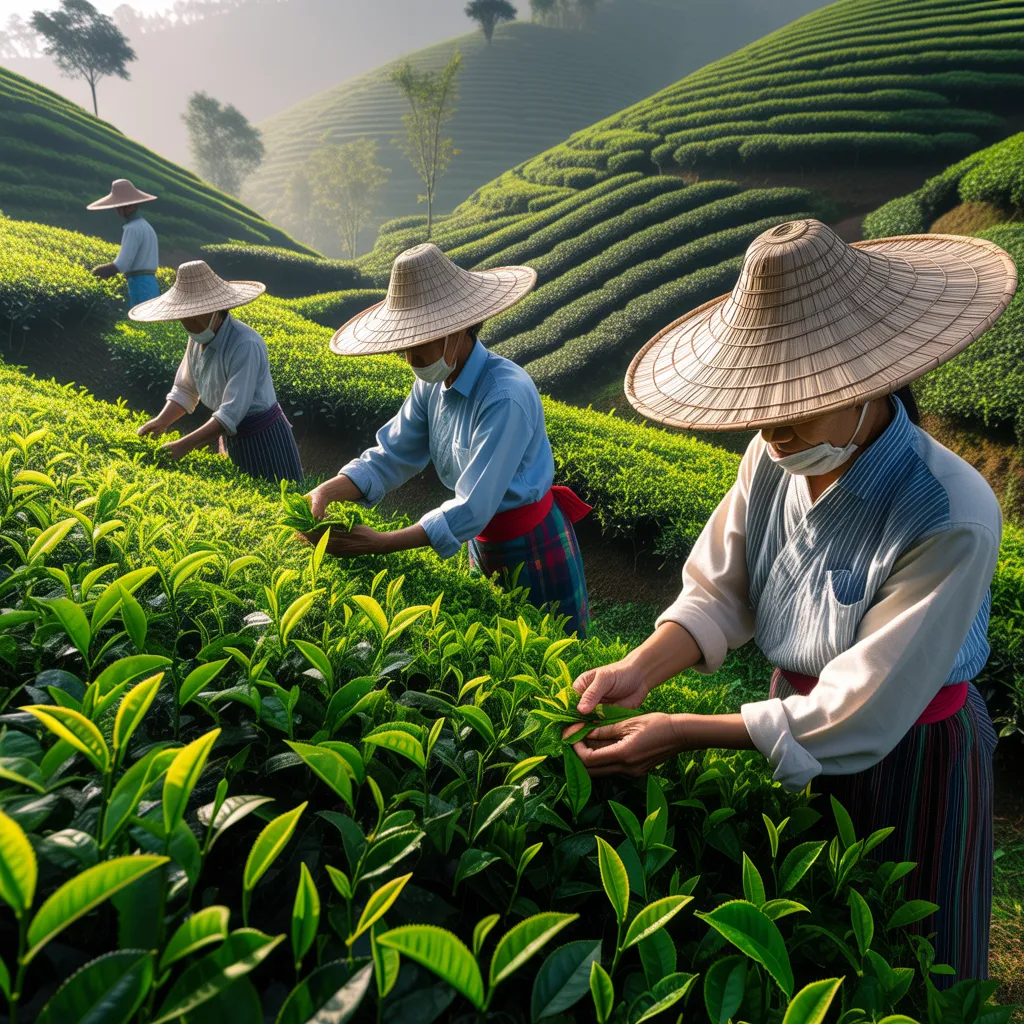
Learn the Sources of Fair Trade Tea
Fair Trade tea stems from the social and economic movements focused on bettering the fortunes of sidelined farmers. Arising in the closing years of the twentieth century, this project strived to remedy inequities in international trade, in particular in developing countries where tea is regularly cultivated. The movement built momentum as purchasers became more and more cognizant of the harsh conditions faced by small-scale farmers, encompassing unfair pricing and mistreatment by large corporations.
Through cooperative structures, Fair Trade worked to strengthen these farmers, guaranteeing they obtained fair payment and backing for eco-friendly agricultural methods. The movement also focused on promoting environmental responsibility, promoting organic farming and biodiversity. As awareness grew, Fair Trade tea turned into a symbol of ethical consumption, connecting consumers directly with the origins of their beverages. By selecting Fair Trade tea, individuals add to a larger goal of social justice and economic equity, creating a more sustainable future for tea-growing communities.
Explore fair commerce standards for long-term environmental initiatives
Grasping Fair Trade certification is critical to recognizing how sustainable practices are sustained within the tea industry. This certification promises that producers receive fair wages and work under safe conditions, which directly helps community development. Fair Trade standards support environmentally sustainable farming methods, reducing the use of harmful chemicals and encouraging biodiversity.
Certification also promotes transparency in the supply chain, allowing customers to track their tea back to its source. By adhering to these guidelines, farms undertake methods that protect natural resources and support local ecosystems. Additionally, Fair Trade organizations often provide educational resources and instruction to agricultural producers, enabling them to improve their farming techniques and economic stability.
Ultimately, Fair Trade accreditation not only enhances tea's quality but also aligns consumer decisions to principled and sustainable ideals, making it a key element of the tea industry's commitment to social accountability and ecological stewardship.
Browse Best Selection of Fair Trade Tea
While many tea devotees relish the deep tastes and fragrances of various brews, examining the top varieties of Fair Trade tea shows a more profound commitment to fair practices and ecological responsibility. Some favored options comprise Fair Trade Assam, noted for its bold, malty taste, and Fair Trade Darjeeling, often known as the "Champagne of teas" for its delicate floral notes. Another important variety is Fair Trade Earl Grey, blended with bergamot, presenting a distinctive orange essence.
Additionally, Fair Trade Green Tea, celebrated for its invigorating qualities and health benefits, is increasingly preferred among health-conscious consumers. Herbal blends, such as Fair Trade Chamomile and Peppermint, also excel, offering soothing and calming effects. Each of these varieties not only delivers exceptional flavor but also supports farmers and communities working for better livelihoods, making them a responsible choice for tea lovers seeking quality and ethical assurance.
Brewing Fair Trade Tea: Recommendations for a Flawless Cup
To prepare the ideal cup of Fair Trade tea, careful attention is important, as the correct techniques can bring out the tea's distinctive flavors and fragrances. First, the water quality is key; using purified water delivers a crisp taste that allows the tea's characteristics to be highlighted. The water temperature is also vital; distinct teas require specific temperatures; boiling for black tea and green and herbal teas are brewed cooler.
Subsequently, the steeping time must be strictly observed. Oversteeping can lead to a bitter taste, while insufficient steeping may not draw out the full flavor profile. A general guideline is 3-5 minutes for black tea and 2-3 minutes for green tea.
Finally, employing the proper tea-to-water ratio improves the taste; one teaspoon of loose tea per cup is a solid starting point. By adhering to these suggestions, tea enthusiasts can fully appreciate the rich offerings of Fair Trade tea.
Environmental Perks of Fair Trade Tea
Brewing Fair Trade tea not only improves the tea encounter but also supports eco-friendly farming methods that benefit the environment. Fair Trade accreditation encourages farmers to use natural cultivation techniques, which reduce the dependence on damaging chemicals and synthetic inputs. This method fosters species diversity, helping to preserve local ecosystems and safeguard wildlife habitats.
Additionally, Fair Trade initiatives often emphasize soil health and water preservation, ensuring that tea cultivation does not deplete essential resources. By supporting small-scale farmers, Fair Trade also encourages agroforestry, which combines tea cultivation with other crops and trees, further enhancing environmental resilience.
Furthermore, Fair Trade tea often incorporates eco-conscious wrapping and transportation methods, reducing the carbon footprint associated with its distribution. Ultimately, choosing Fair Trade tea represents a deliberate commitment to foster a increasingly eco-friendly agricultural system that respects both the planet and its inhabitants.

The Impact of Your Tea Selection in Strengthening Worldwide Communities
Investing in Fair Trade tea bolsters worldwide populations by delivering agricultural workers with fair remuneration and enhanced labor situations. This resolve assures that tea producers can maintain their economic stability while supporting their examination dependents and community markets. By acquiring Fair Trade tea, shoppers promote the development of significant local services, like learning opportunities and healthcare.
Fair Trade certification promotes responsible conduct, demanding businesses to adhere to guidelines that prioritize workers' rights and environmental sustainability. As a result, growers are motivated to grow high-quality tea, which not just enhances their earnings but also fosters pride in their craft.
Moreover, the unmediated trade associations established through Fair Trade eliminate oppressive middlemen, giving farmers to partner with patrons worldwide. This visibility develops trust and motivates a global appreciation for the cultural meaning of tea. Ultimately, each cup of Fair Trade tea serves as a wake-up call of the positive impact individuals can have on global communities through thoughtful buying.
Frequently Asked Questions
How Can I Identify Fair Trade Tea Items in Stores?
To find consciously sourced tea selections in stores, one should seek accredited stamps, such as Fair Trade Certified or Rainforest Alliance. Additionally, looking into companies devoted to ethical sourcing can facilitate deciding thoughtfully.
What Medical Advantages Are Associated With Fair Trade Tea?
Fair trade tea may offer multiple wellness advantages, including antioxidants supporting cardiovascular wellness, better digestive function, and increased mental sharpness. Furthermore, ethical sourcing practices promote sustainable agriculture, indirectly contributing to a more sustainable ecosystem and improved community welfare.
Do I Discover Ethically Sourced Tea Available in Online Marketplaces?
Yes, fair trade tea is commonly found in online marketplaces. Various companies offer a variety of brands and blends, ensuring consumers can readily purchase sustainable choices that support both environmental stewardship and worker rights.
In What Ways Does Fair Trade Tea Impact Community Economies?
Fair trade tea benefits local economies by providing farmers with fair wages, fostering community development, and encouraging sustainable farming practices. This backing uplifts living conditions, fosters economic security, and empowers communities to direct funds toward education and healthcare.
How Can I Preserve Fair Trade Tea to Maintain Superior Freshness?
To increase quality, fair trade tea should be stored in an sealed jar, away from strong odors, moisture, and light. Storing it in a dark, cool location helps preserve its scent and taste over time.